

|
||
|
|
||
|
||
|
Hundreds of NHS staff surveyed revealing abuse faced at work |
||
|
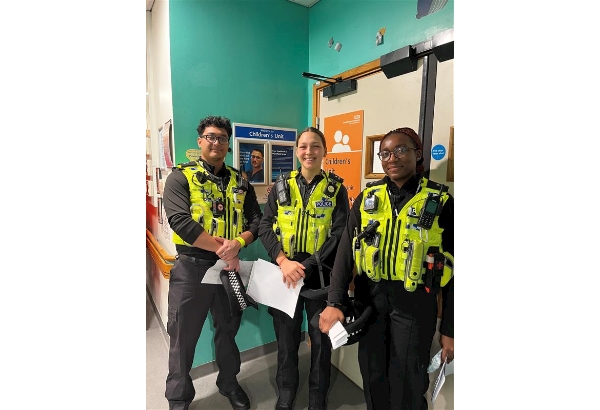
Wiltshire Police have surveyed 600 hospital workers as part of the Never Ok campaign, uncovering the scale of abuse faced by frontline NHS staff. The campaign aims to send a clear message: violence, harassment, and aggression should never be considered part of the job for doctors, nurses, and other healthcare professionals. PC Becky Berni, Wiltshire Police liaison officer, and trainee officers spoke to hundreds of staff members about their experiences. PC Becky Berni said: “We wanted to really listen to staff about the problems they are facing. Many of them told us they feel expected to tolerate verbal aggression, physical violence, and, in some cases, sexual assault. This has a serious impact on their wellbeing with some living in fear of what they might face during a shift. “While a small number of incidents involve patients whose illness affects their capacity, most acts of violence are deliberate. And we know the impact is profound. Trauma lingers. It shapes how people feel at work, how they recover after each shift, and how they’re able to care for others when they’re constantly bracing for the next threat. "We are told the level of involvement here in Wiltshire is much higher than anywhere else in the UK. These are victims, and they deserve recognition and support. We believe that when staff feel protected, valued, and safe, our hospitals can become the safe and compassionate environments they are meant to be—for everyone." Wiltshire Police have developed a training programme to help hospital staff identify criminal behaviour and access support when they experience violence, harassment, or abuse. “Our priority isn’t to criminalise those who lack capacity,” PC Berni added. “It’s about ensuring victims are acknowledged and supported. Tackling this issue requires cultural change, better reporting systems, and proactive measures to protect NHS staff.” If you’ve witnessed or been the victim of crime, please report it to us by calling 101 or through our website. In an emergency always call 999.
| ||
Reply to this message | ||
|


|